The Tenants of Ashmore Court
 Shared by Helios·14 chapters·241,773 chars
Synopsis
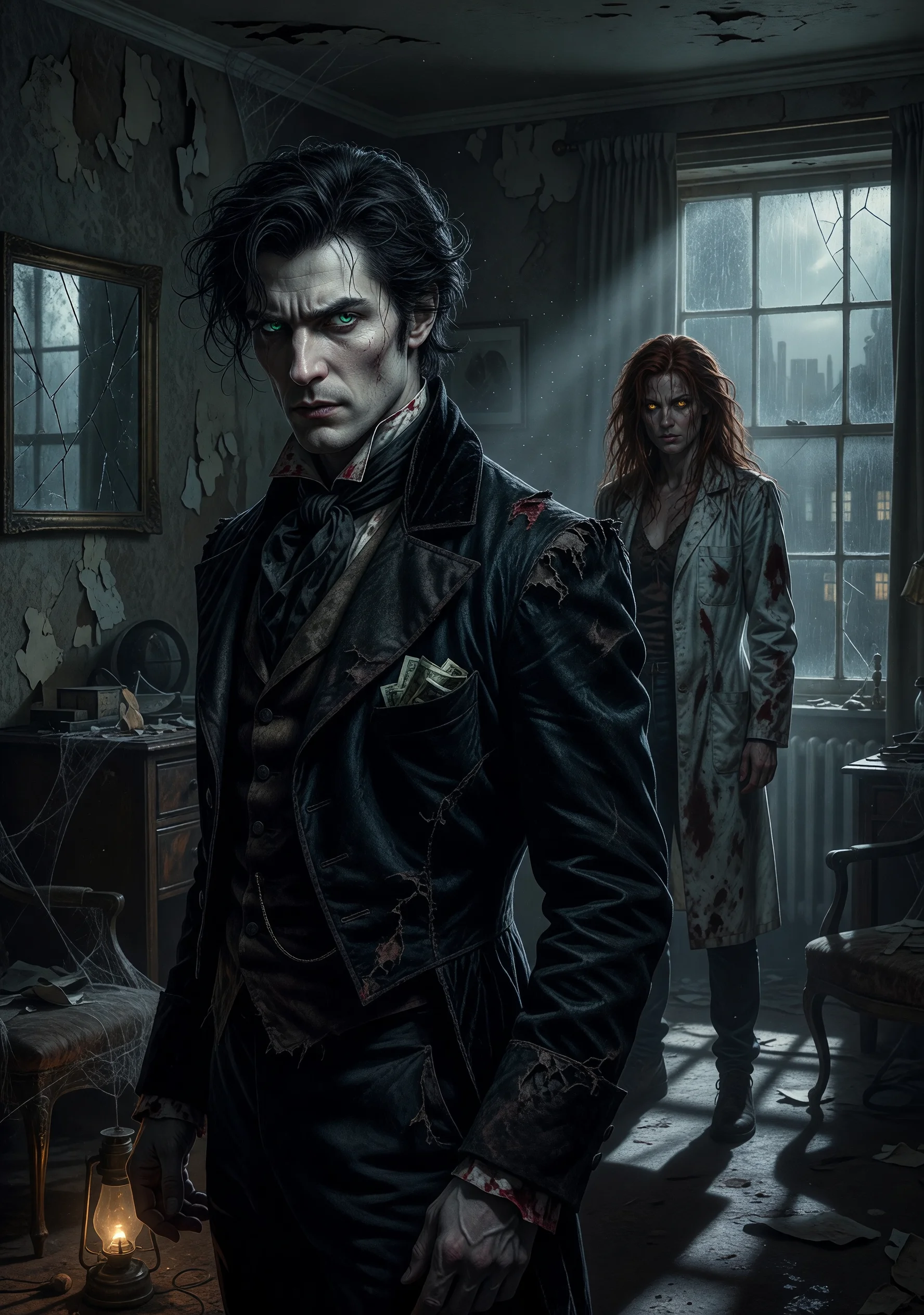
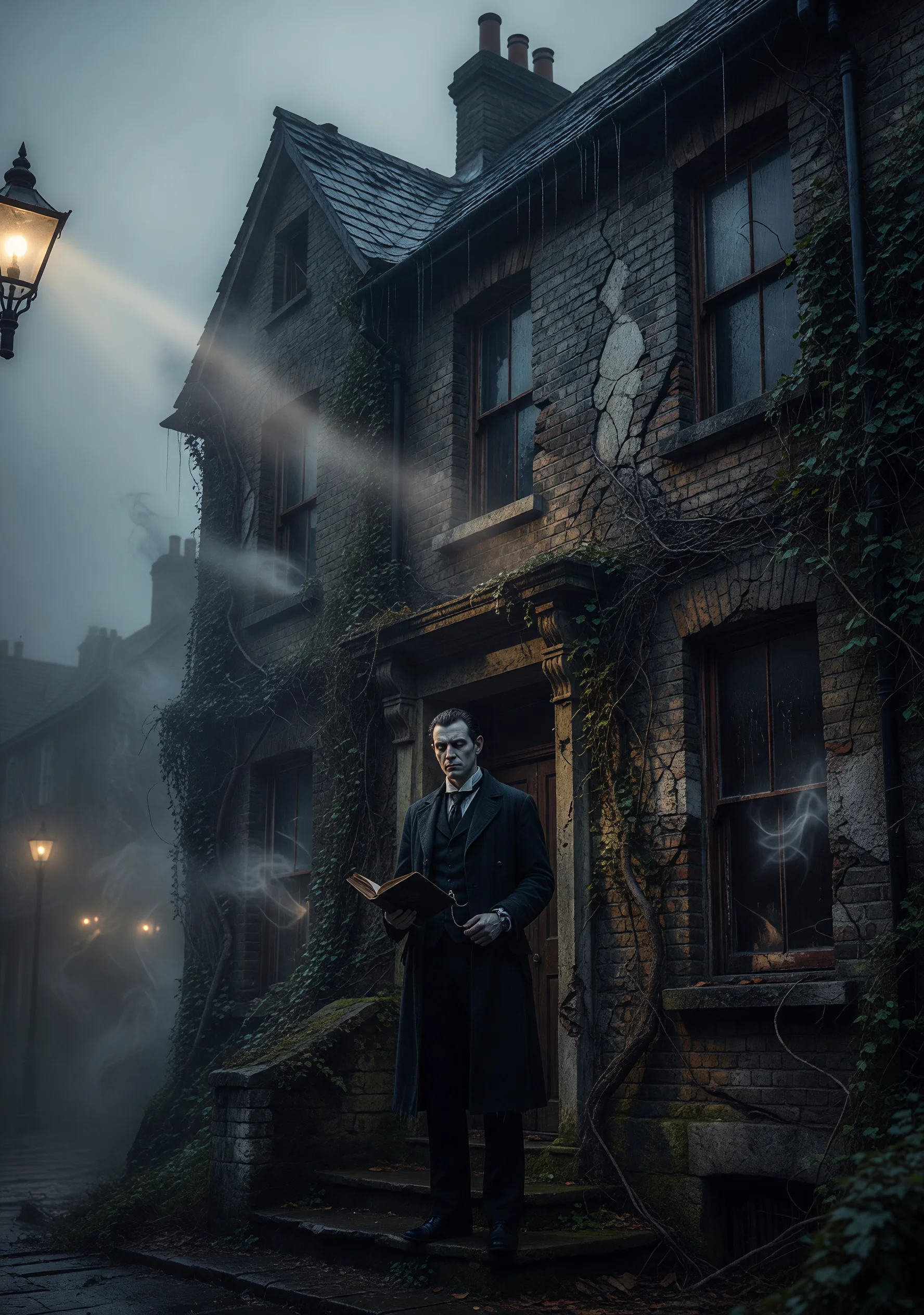
In a crumbling Victorian flat on the outskirts of modern London, three creatures of the night have settled into an uneasy domestic arrangement. Dorian, a centuries-old vampire who once moved through aristocratic society with predatory grace, now pays rent in cash and avoids the building's mirrors with practiced obsession. Mara, a werewolf and former forensic pathologist, fled Edinburgh after the moon exposed what her colleagues could not explain — and left three bodies behind that she still cannot account for. And then there is Edmund, a ghost who does not remember dying, who drifts through the flat's walls each Tuesday convinced he is simply running late for an appointment that no longer exists. The novel opens when a stranger begins appearing outside Ashmore Court — a figure who should not exist, a shambling, deteriorated thing that watches the windows with hollow, remembering eyes. As each tenant investigates independently, they are pulled backward into their own buried histories: Dorian toward a bargain he struck in Transylvania that was never truly concluded; Mara toward the original bite and the cult that delivered it deliberately; Edmund toward the violent, suppressed truth of his final night among the living. The three threads converge when they realize the watching figure outside is not a threat from without — it is a mirror, an externalized wound, a manifestation conjured from the accumulated shame and denial of all three. To destroy it, each must confront the moment they stopped being human and chose, consciously or not, never to return. The novel asks whether monstrousness is inherited or chosen, and whether shared suffering constitutes something that, against all odds, resembles home.
Chapters (14)
More Novels


Create your own AI novel
Use AI to generate novels in your favorite style
Get Started Free