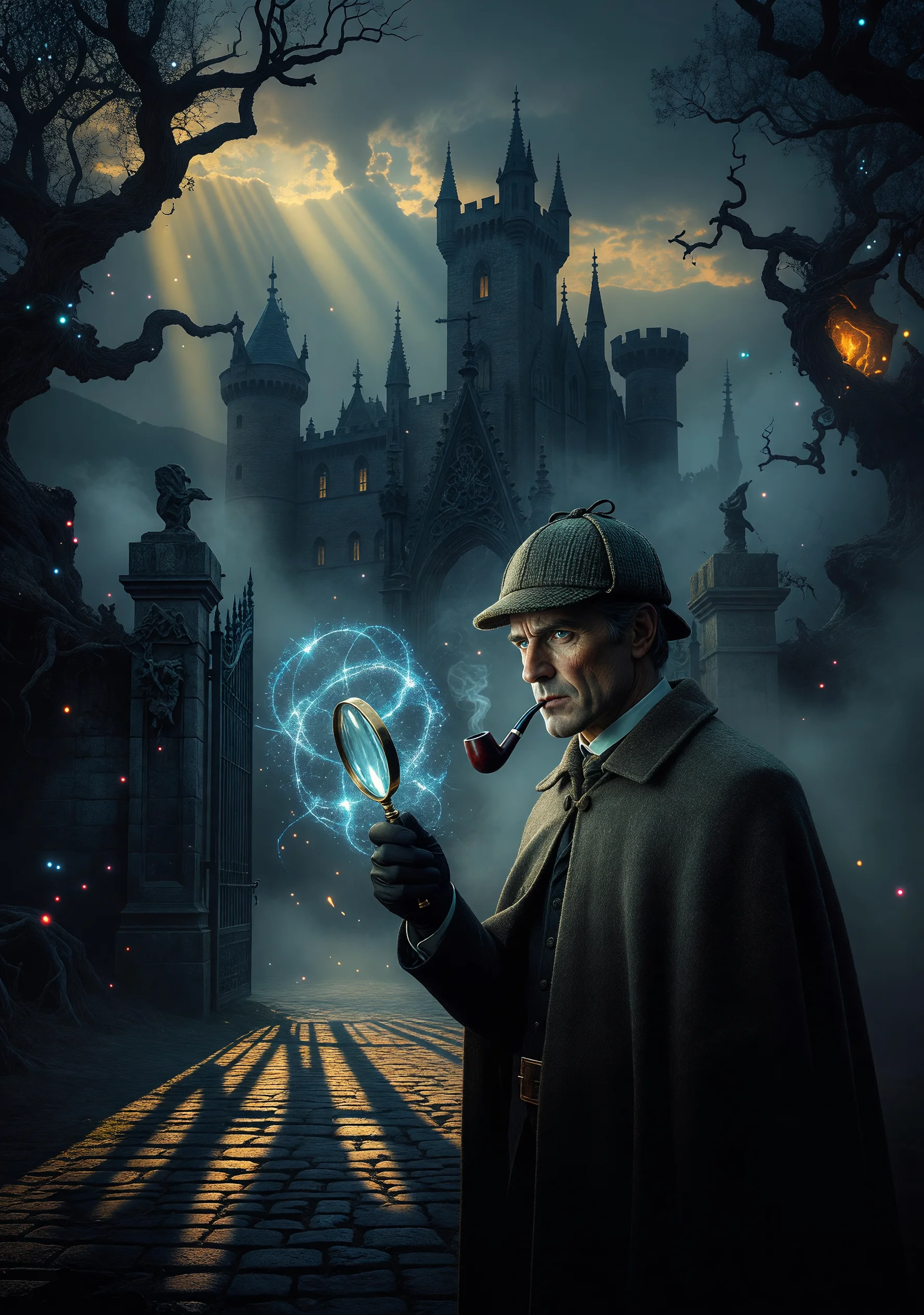
The Empirical Arts: A Study in Spellwork
 Shared by Helios·30 chapters·573,166 chars
Synopsis
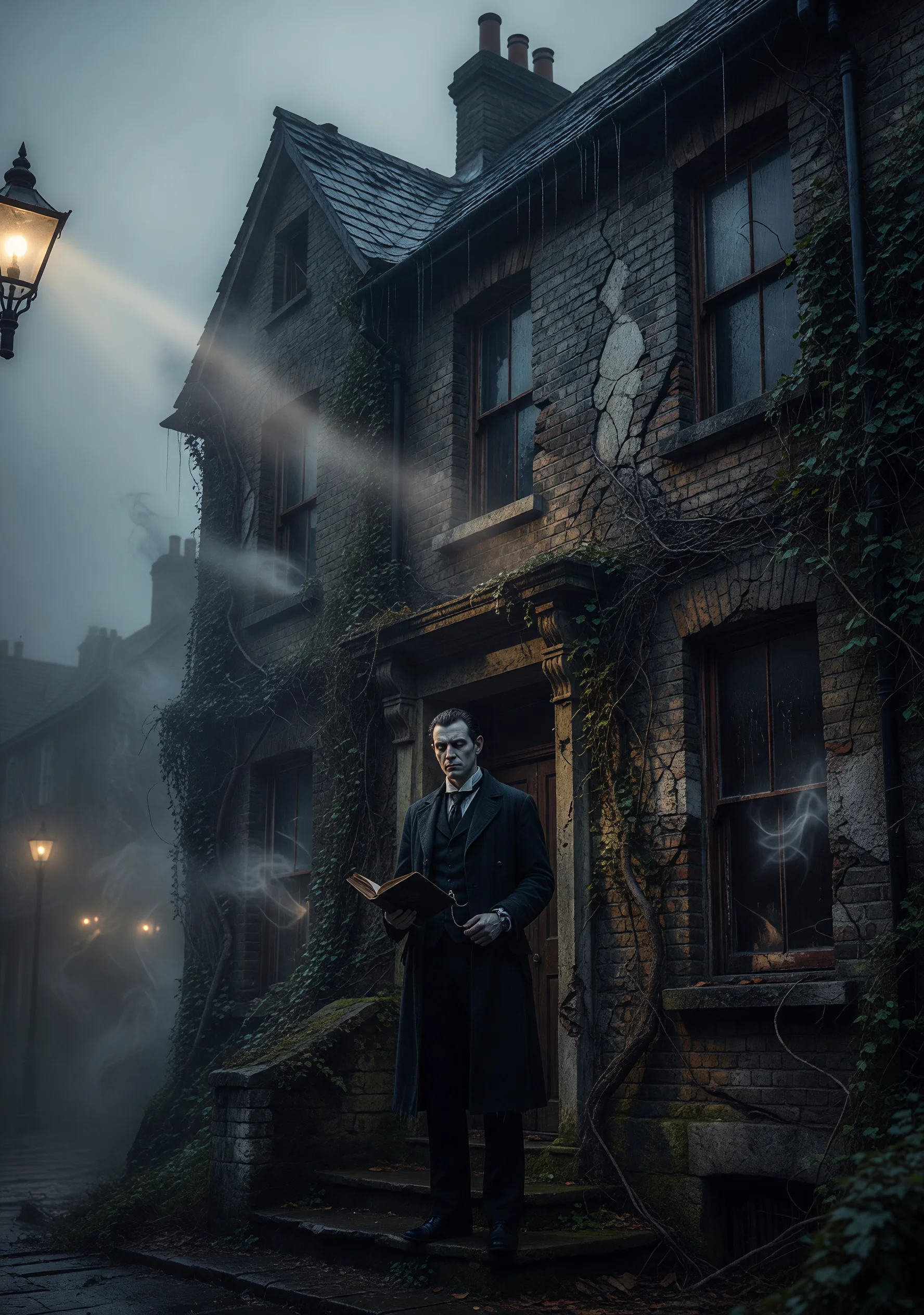
When Sherlock Holmes vanishes from Baker Street mid-investigation—swallowed by a shimmering anomaly that appears in the sitting room fireplace—he finds himself deposited at the gates of Hogwarts School of Witchcraft and Wizardry with nothing but his pipe, his magnifying glass, and his absolute conviction that the supernatural does not exist. Headmistress Minerva McGonagall, baffled by his sudden appearance and unwilling to release a sharp-tongued Victorian gentleman into the wider wizarding world unprepared, grants him temporary residence as a 'consulting logician.' His arrival coincides with a series of impossible deaths among the student body: a Ravenclaw prefect found petrified in the Astronomy Tower with no traces of a Petrificus charm, a Hufflepuff third-year discovered floating three inches above her dormitory bed with her memories surgically removed, and cryptic messages burned into the Great Hall's enchanted ceiling in a language no spell-index can identify. The Ministry insists the culprit is a rogue magical creature. Dumbledore's portrait suggests prophecy. Holmes insists it is murder, committed by a human hand, disguised behind a curtain of theatrical sorcery. Partnered against his will with a skeptical but quietly brilliant seventeen-year-old Hermione Granger—who serves as his reluctant guide through magical convention—Holmes systematically dismantles every 'obvious' magical explanation. A bewitched quill becomes a poison delivery mechanism. A vanishing curse becomes a trapdoor. A ghost's testimony becomes the key alibi that breaks a perfectly constructed enchanted alibi apart. As Holmes peels back layers of deliberate mystification, he uncovers a conspiracy reaching from Hogwarts' dungeon archives to the Ministry's Department of Mysteries—a plot engineered by someone who understood that in a world besotted with magic, the most effective camouflage is a perfectly rational crime dressed in borrowed robes of wonder.
Chapters (30)
More Novels


Create your own AI novel
Use AI to generate novels in your favorite style
Get Started Free