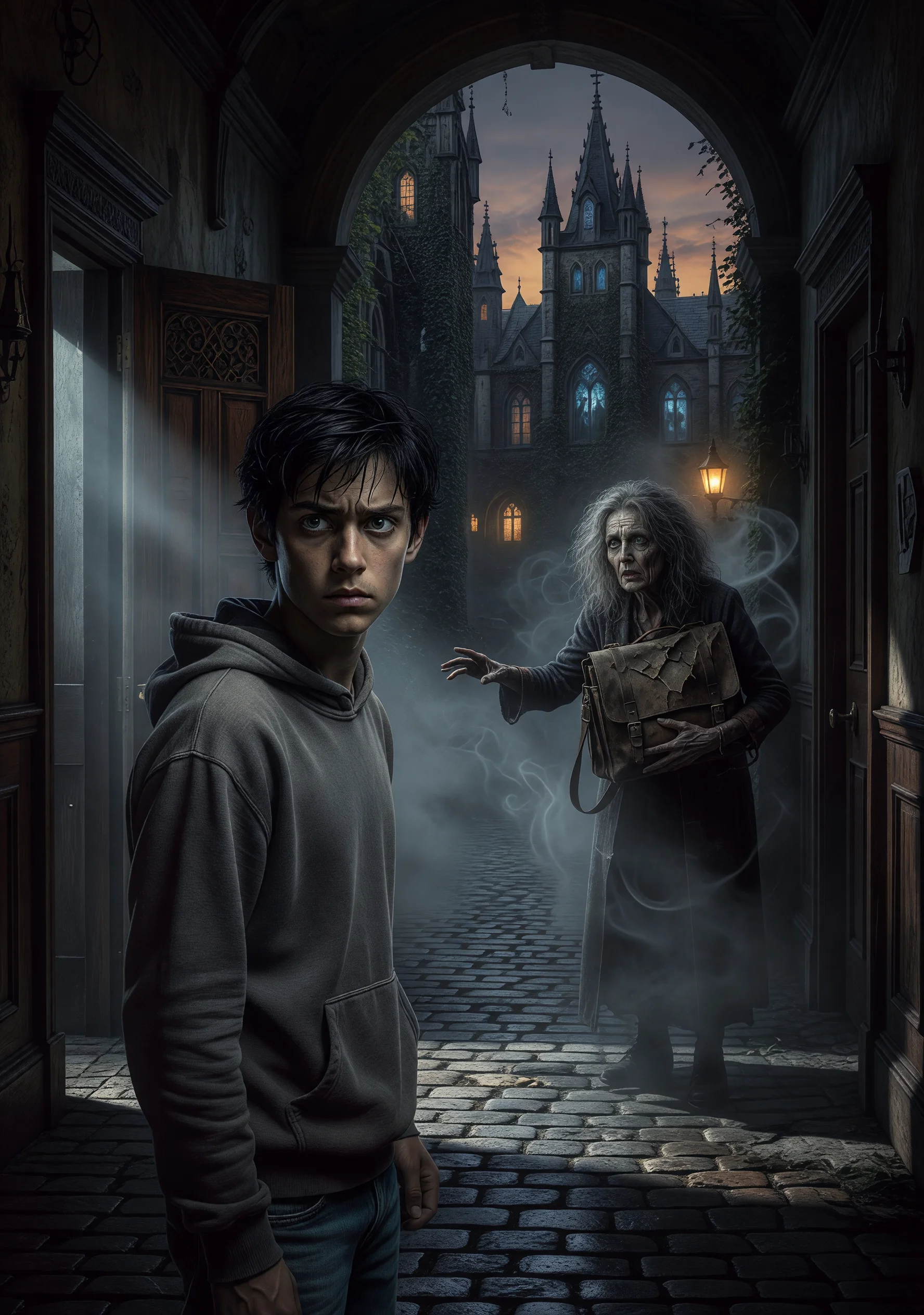
The Hollow Between Lessons
 Shared by Helios·30 chapters·616,720 chars
Synopsis
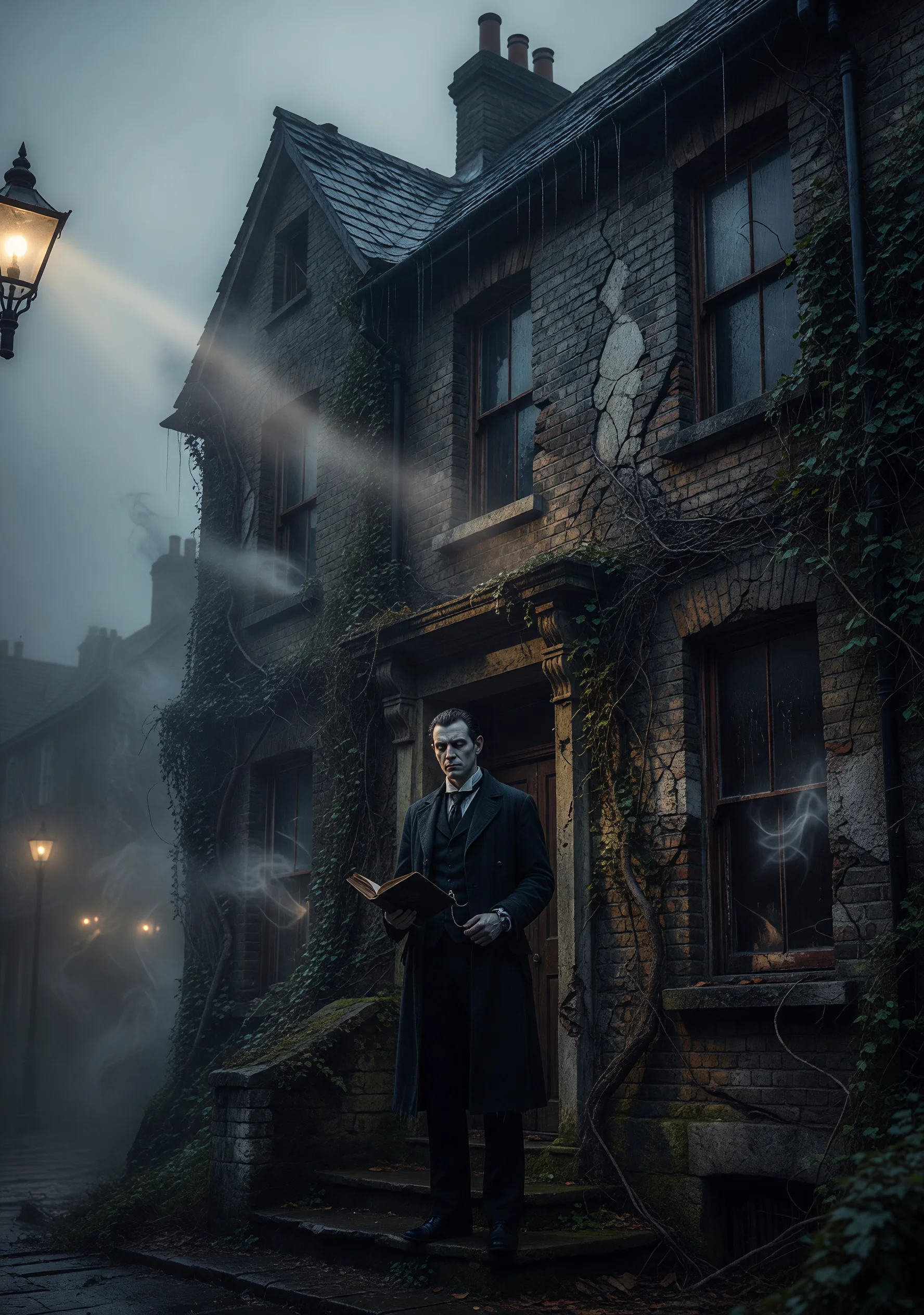
Seventeen-year-old Elliot Voss has spent his entire childhood in the care of his cold, relentlessly ordinary aunt and uncle, who speak of his dead parents only in whispers and locked silences. On the night of his eleventh birthday, a gaunt woman named Maren arrives at the door — not cheerful, not magical, not celebratory — only urgent, only afraid. She tells Elliot that he belongs to Ashenmoor Academy, a school for those born with the Grasp, the rare and poorly understood ability to perceive and manipulate the hidden architecture of reality. What killed his parents, she implies, is still hungry. Ashenmoor sits at the edge of a drowned valley in rural Scotland, a fortress of black stone that breathes differently at night, where the hallways rearrange themselves after midnight and the portraits never quite look at you directly. Elliot arrives expecting wonder. What he finds instead is a community of students and faculty held together by institutional denial. Children have been disappearing for decades — one per year, quietly, the records amended, the empty beds replaced. Everyone knows. No one says. Elliot befriends Sable, a sharp-tongued girl whose older sister vanished two terms ago, and Drift, a boy who claims he can hear the castle thinking. Together they begin to pull at the thread that the school has spent generations weaving shut. The deeper they dig, the more the Academy resists — not through faculty or rule, but through the building itself, through the cold that follows Elliot, through the door at the bottom of the East Tower that is always warm to the touch. The monster at the heart of Ashenmoor is not a dark lord. It is patient, architectural, ancient, and it has been feeding on chosen children since the school's founding. Elliot is not special because destiny marked him. He is special only because he refuses to look away — and in a place built on the discipline of not seeing, that refusal is the most dangerous thing imaginable.
Chapters (30)
More Novels
Create your own AI novel
Use AI to generate novels in your favorite style
Get Started Free